Feb 10, 2024
The Rise of Generative AI: How It’s Shaping the Future of Design
TECHNOLOGY
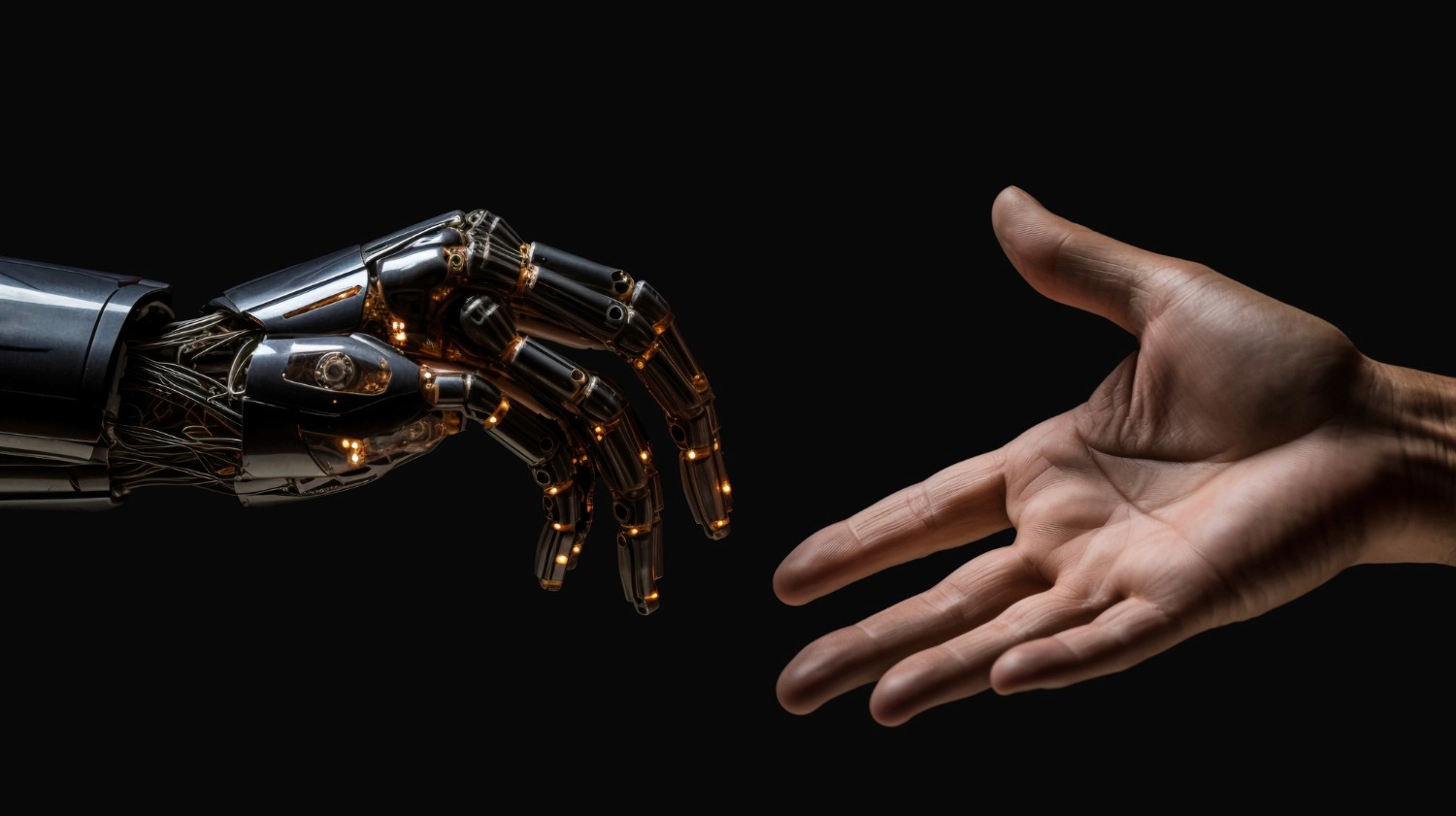
The Rise of Generative AI: How It’s Shaping the Future of Design
The world of design is evolving at an unprecedented pace, and one of the most exciting developments in recent years is the rise of Generative AI. This cutting-edge technology, powered by machine learning algorithms, is revolutionizing the way designers create, ideate, and execute their projects. From visual design to user experience, generative AI is not just a tool but a creative partner that’s reshaping the entire design process. In this blog, we’ll explore how generative AI is influencing the future of design, the benefits it brings, and the challenges designers must consider as they embrace this technological advancement.
What is Generative AI?
Generative AI refers to a class of artificial intelligence algorithms that can create new content, such as images, text, videos, music, and even designs, based on input data. Unlike traditional AI, which is often used to recognize patterns or analyze data, generative AI is capable of producing original outputs that mimic human creativity. Tools like DALL-E, MidJourney, and OpenAI's GPT models are prime examples of how generative AI is pushing the boundaries of what’s possible in design.
How Generative AI is Transforming Design
1. Enhanced Creativity and Inspiration
Generative AI is helping designers overcome creative blocks by suggesting innovative ideas and concepts. Instead of starting from a blank canvas, designers can input specific parameters, such as color schemes, styles, and themes, and let the AI generate multiple design variations. This not only saves time but also sparks fresh ideas that might not have been considered otherwise. Designers can explore different possibilities quickly and refine them based on their creative vision.
2. Automating Repetitive Tasks
Designers often find themselves bogged down by repetitive tasks, such as resizing images, adjusting layouts, or making incremental changes to typography. Generative AI can automate many of these tasks, allowing designers to focus on higher-level, strategic creative work. AI tools can automatically adjust designs to different screen sizes, optimize layouts for usability, or even generate social media content tailored to specific platforms, streamlining workflows and improving efficiency.
3. Personalization at Scale
In the world of digital design, personalization is key to creating meaningful user experiences. Generative AI can analyze user behavior, preferences, and demographic data to create personalized designs and content. For instance, websites can dynamically adjust their visuals, colors, and layouts based on the user’s previous interactions. This level of personalization ensures that each user experiences a unique and tailored journey, which can significantly improve engagement and conversions.
4. Augmented Design Tools
Generative AI is being integrated into popular design tools, such as Adobe Creative Suite, Figma, and Sketch, enhancing their capabilities. AI-powered plugins and features can assist designers in tasks like image enhancement, layout creation, and even typography selection. These tools use machine learning to understand design principles and suggest changes that align with best practices. As AI continues to evolve, these integrations will become more sophisticated, making design tools even smarter and more intuitive.
5. Faster Prototyping and Iteration
Generative AI enables rapid prototyping by generating multiple iterations of a design based on initial inputs. This is especially valuable in UX/UI design, where testing and refining user interfaces is an essential part of the process. AI can quickly generate different layouts, color schemes, or button placements, helping designers test various options without starting from scratch each time. This speed allows for more experimentation and faster refinement of concepts, ultimately leading to better final products.
The Benefits of Generative AI in Design
Time Efficiency: AI can handle time-consuming tasks like generating design variations, resizing images, or automating repetitive processes, allowing designers to focus on more creative and strategic work.
Cost Savings: With AI automating routine tasks, companies can reduce the need for additional design resources, thus saving on costs without compromising the quality of the work.
Enhanced Creativity: AI opens up new creative possibilities by suggesting ideas and approaches that may not have been considered, fostering a more innovative design process.
Improved User Experience: By analyzing user data and preferences, AI can help design personalized experiences, ensuring that users feel more engaged and connected to the product or brand.
Challenges and Ethical Considerations
While generative AI is transforming the design landscape, there are several challenges and ethical considerations to keep in mind:
Over-reliance on AI: While AI is a powerful tool, designers must be careful not to become overly dependent on it. AI can generate ideas and patterns, but human creativity and intuition remain vital to crafting meaningful, impactful designs.
Originality Concerns: Since generative AI often learns from existing content, there’s a risk of producing designs that are derivative or lack true originality. Designers must ensure that their work remains unique and authentic, even when using AI as a tool.
Bias and Fairness: AI algorithms are trained on data, and if that data is biased or incomplete, the AI can perpetuate those biases in its designs. Designers must be mindful of the ethical implications of AI-generated content and work to ensure inclusivity and fairness.
Job Displacement: As AI becomes more advanced, there are concerns that it could replace human designers, especially for more routine tasks. However, most experts agree that AI will augment rather than replace designers, allowing them to focus on higher-level creativity and problem-solving.
Looking Ahead: The Future of Generative AI in Design
The future of generative AI in design looks incredibly promising. As AI technology continues to improve, it will become even more adept at creating highly personalized, interactive, and visually stunning designs. We’re likely to see more seamless integration of AI tools in design software, allowing for more collaborative workflows between human designers and machines. Moreover, as generative AI becomes more accessible, it’s expected that smaller businesses and freelance designers will be able to leverage this technology to create high-quality designs quickly and cost-effectively. The democratization of design through AI will allow more people to bring their creative visions to life, regardless of their technical skill level.
Conclusion
Generative AI is no longer a futuristic concept; it’s a game-changing tool that’s already making a profound impact on the design industry. By automating repetitive tasks, enhancing creativity, and enabling faster prototyping, generative AI is reshaping the design process and empowering designers to create more personalized, engaging experiences. While there are challenges to consider, the potential for AI to augment human creativity is immense, and its role in the future of design is undeniable. As technology continues to evolve, the possibilities for innovation are boundless, opening up new frontiers for designers around the world. The rise of generative AI is an exciting development, one that promises to push the boundaries of design and creativity.
The Rise of Generative AI: How It’s Shaping the Future of Design
The world of design is evolving at an unprecedented pace, and one of the most exciting developments in recent years is the rise of Generative AI. This cutting-edge technology, powered by machine learning algorithms, is revolutionizing the way designers create, ideate, and execute their projects. From visual design to user experience, generative AI is not just a tool but a creative partner that’s reshaping the entire design process. In this blog, we’ll explore how generative AI is influencing the future of design, the benefits it brings, and the challenges designers must consider as they embrace this technological advancement.
What is Generative AI?
Generative AI refers to a class of artificial intelligence algorithms that can create new content, such as images, text, videos, music, and even designs, based on input data. Unlike traditional AI, which is often used to recognize patterns or analyze data, generative AI is capable of producing original outputs that mimic human creativity. Tools like DALL-E, MidJourney, and OpenAI's GPT models are prime examples of how generative AI is pushing the boundaries of what’s possible in design.
How Generative AI is Transforming Design
1. Enhanced Creativity and Inspiration
Generative AI is helping designers overcome creative blocks by suggesting innovative ideas and concepts. Instead of starting from a blank canvas, designers can input specific parameters, such as color schemes, styles, and themes, and let the AI generate multiple design variations. This not only saves time but also sparks fresh ideas that might not have been considered otherwise. Designers can explore different possibilities quickly and refine them based on their creative vision.
2. Automating Repetitive Tasks
Designers often find themselves bogged down by repetitive tasks, such as resizing images, adjusting layouts, or making incremental changes to typography. Generative AI can automate many of these tasks, allowing designers to focus on higher-level, strategic creative work. AI tools can automatically adjust designs to different screen sizes, optimize layouts for usability, or even generate social media content tailored to specific platforms, streamlining workflows and improving efficiency.
3. Personalization at Scale
In the world of digital design, personalization is key to creating meaningful user experiences. Generative AI can analyze user behavior, preferences, and demographic data to create personalized designs and content. For instance, websites can dynamically adjust their visuals, colors, and layouts based on the user’s previous interactions. This level of personalization ensures that each user experiences a unique and tailored journey, which can significantly improve engagement and conversions.
4. Augmented Design Tools
Generative AI is being integrated into popular design tools, such as Adobe Creative Suite, Figma, and Sketch, enhancing their capabilities. AI-powered plugins and features can assist designers in tasks like image enhancement, layout creation, and even typography selection. These tools use machine learning to understand design principles and suggest changes that align with best practices. As AI continues to evolve, these integrations will become more sophisticated, making design tools even smarter and more intuitive.
5. Faster Prototyping and Iteration
Generative AI enables rapid prototyping by generating multiple iterations of a design based on initial inputs. This is especially valuable in UX/UI design, where testing and refining user interfaces is an essential part of the process. AI can quickly generate different layouts, color schemes, or button placements, helping designers test various options without starting from scratch each time. This speed allows for more experimentation and faster refinement of concepts, ultimately leading to better final products.
The Benefits of Generative AI in Design
Time Efficiency: AI can handle time-consuming tasks like generating design variations, resizing images, or automating repetitive processes, allowing designers to focus on more creative and strategic work.
Cost Savings: With AI automating routine tasks, companies can reduce the need for additional design resources, thus saving on costs without compromising the quality of the work.
Enhanced Creativity: AI opens up new creative possibilities by suggesting ideas and approaches that may not have been considered, fostering a more innovative design process.
Improved User Experience: By analyzing user data and preferences, AI can help design personalized experiences, ensuring that users feel more engaged and connected to the product or brand.
Challenges and Ethical Considerations
While generative AI is transforming the design landscape, there are several challenges and ethical considerations to keep in mind:
Over-reliance on AI: While AI is a powerful tool, designers must be careful not to become overly dependent on it. AI can generate ideas and patterns, but human creativity and intuition remain vital to crafting meaningful, impactful designs.
Originality Concerns: Since generative AI often learns from existing content, there’s a risk of producing designs that are derivative or lack true originality. Designers must ensure that their work remains unique and authentic, even when using AI as a tool.
Bias and Fairness: AI algorithms are trained on data, and if that data is biased or incomplete, the AI can perpetuate those biases in its designs. Designers must be mindful of the ethical implications of AI-generated content and work to ensure inclusivity and fairness.
Job Displacement: As AI becomes more advanced, there are concerns that it could replace human designers, especially for more routine tasks. However, most experts agree that AI will augment rather than replace designers, allowing them to focus on higher-level creativity and problem-solving.
Looking Ahead: The Future of Generative AI in Design
The future of generative AI in design looks incredibly promising. As AI technology continues to improve, it will become even more adept at creating highly personalized, interactive, and visually stunning designs. We’re likely to see more seamless integration of AI tools in design software, allowing for more collaborative workflows between human designers and machines. Moreover, as generative AI becomes more accessible, it’s expected that smaller businesses and freelance designers will be able to leverage this technology to create high-quality designs quickly and cost-effectively. The democratization of design through AI will allow more people to bring their creative visions to life, regardless of their technical skill level.
Conclusion
Generative AI is no longer a futuristic concept; it’s a game-changing tool that’s already making a profound impact on the design industry. By automating repetitive tasks, enhancing creativity, and enabling faster prototyping, generative AI is reshaping the design process and empowering designers to create more personalized, engaging experiences. While there are challenges to consider, the potential for AI to augment human creativity is immense, and its role in the future of design is undeniable. As technology continues to evolve, the possibilities for innovation are boundless, opening up new frontiers for designers around the world. The rise of generative AI is an exciting development, one that promises to push the boundaries of design and creativity.
RECENT POSTS
May 28, 2024
May 28, 2024
DESIGN
DESIGN
May 20, 2024
May 20, 2024
DESIGN
DESIGN