May 20, 2024
Typography in Design
DESIGN
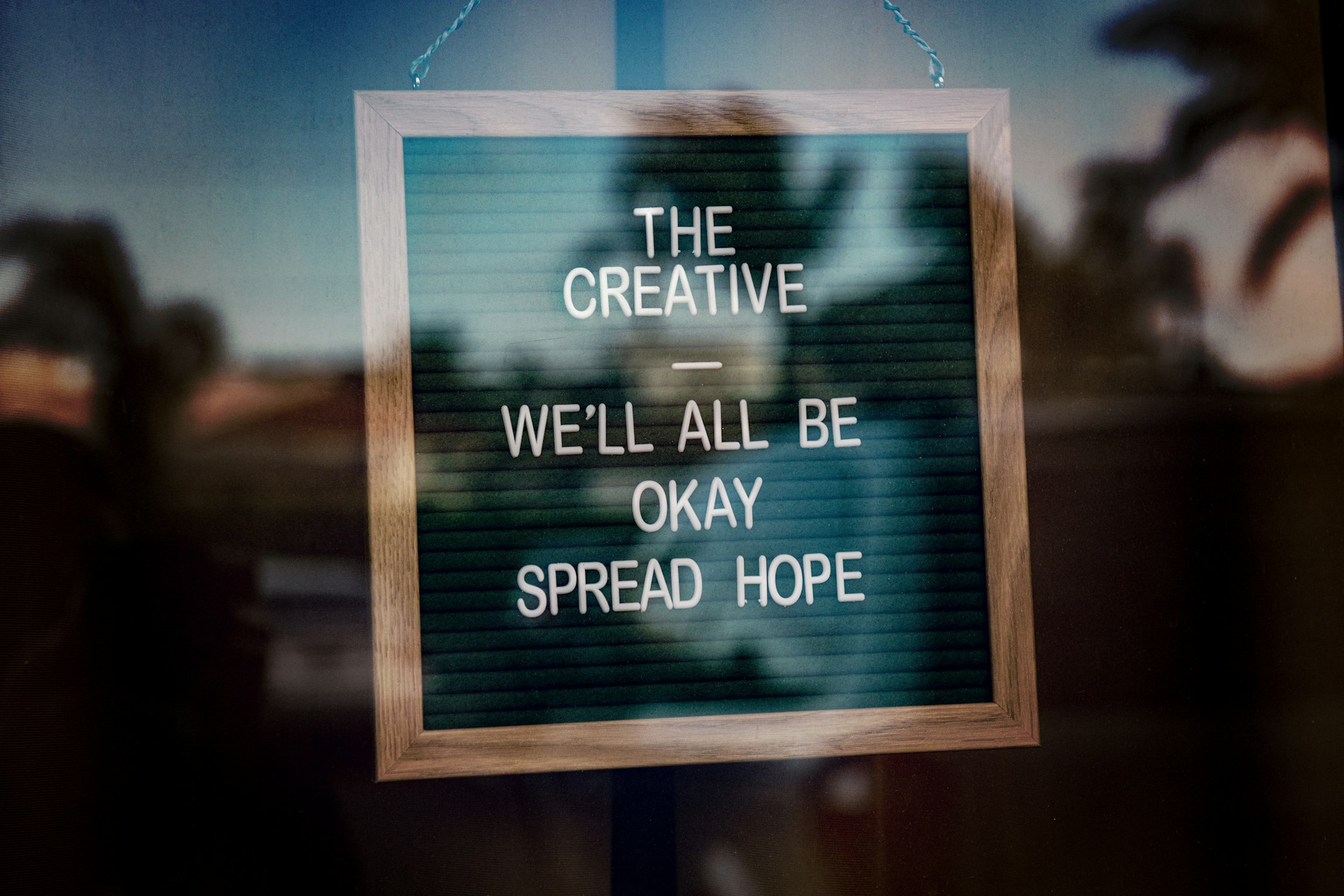
Typography in Design: Choosing the Right Fonts for Your Project
Typography is more than just arranging words on a page — it’s a powerful design element that can dramatically affect the mood, tone, and effectiveness of a project. Whether you're designing a website, a logo, or a brochure, selecting the right fonts is crucial for creating a visually compelling and functional design. In this blog, we’ll explore why typography matters and how to choose the perfect fonts for your next project.
The Power of Typography
Typography is the art and technique of arranging type in a way that makes the content both readable and visually appealing. The fonts you choose play a huge role in how your audience perceives your design. A carefully selected typeface can convey a message, set a mood, and establish your brand’s personality. It can also guide the reader’s experience, highlighting important information and creating a cohesive look. When used effectively, typography enhances the overall design, making it not only aesthetically pleasing but also easy to navigate and understand. On the other hand, poor font choices can detract from the message, confuse users, or even cause them to abandon your site or design altogether.
Understanding Different Font Categories: Before diving into the specifics of choosing the right font for your project, it’s important to understand the three main categories of fonts:
Serif Fonts:
Serif fonts have small lines or "feet" attached to the end of each letter stroke. These fonts are often associated with tradition, formality, and reliability. They are frequently used in print media like books and newspapers because the serifs help guide the reader’s eye across the text.
Examples: Times New Roman, Georgia, Baskerville
Sans Serif Fonts:
Sans serif fonts do not have small lines at the end of each stroke. They are modern, clean, and more legible, especially on digital screens. Sans serif fonts are commonly used in web design and digital interfaces for their readability and minimalist style.
Examples: Arial, Helvetica, Futura, Open Sans
Display Fonts:
Display fonts are decorative, bold, and eye-catching, often used for headlines, logos, and large text. These fonts are meant to grab attention and make a statement. However, they should be used sparingly to avoid overwhelming the design.
Examples: Impact, Lobster, Bebas Neue
Factors to Consider When Choosing Fonts: Now that you know the different font categories, let’s explore the key factors to consider when choosing fonts for your project:
Popular Font Choices for Different Design Projects
Web Design:
Roboto: A versatile sans serif font that’s clean, modern, and easy to read on screens.
Open Sans: Another sans serif font that’s popular for web design due to its legibility and clean style.
Lato: A sans serif with a friendly, approachable feel, ideal for modern websites.
Print Design:
Georgia: A classic serif font that works well for long-form content, like books and articles.
Baskerville: A sophisticated serif font that’s perfect for high-end print designs, such as invitations or brochures.
Montserrat: A sans serif with a strong presence, often used in posters or editorial layouts.
Branding and Logo Design:
Helvetica: A timeless sans serif font known for its clean, modern appeal.
Garamond: A traditional serif font often used in luxury and heritage branding.
Futura: A geometric sans serif font that adds a futuristic touch to logos and branding.
Conclusion
Typography is an essential aspect of design that should never be overlooked. The fonts you choose can significantly impact how your design is perceived, making it either visually appealing or confusing. By understanding the role of typography and considering factors like readability, brand identity, and font pairing, you can select the right fonts that enhance your project and deliver a powerful visual message. Remember, typography is not just about choosing a font — it’s about choosing a font that communicates your ideas and speaks to your audience.
Typography in Design: Choosing the Right Fonts for Your Project
Typography is more than just arranging words on a page — it’s a powerful design element that can dramatically affect the mood, tone, and effectiveness of a project. Whether you're designing a website, a logo, or a brochure, selecting the right fonts is crucial for creating a visually compelling and functional design. In this blog, we’ll explore why typography matters and how to choose the perfect fonts for your next project.
The Power of Typography
Typography is the art and technique of arranging type in a way that makes the content both readable and visually appealing. The fonts you choose play a huge role in how your audience perceives your design. A carefully selected typeface can convey a message, set a mood, and establish your brand’s personality. It can also guide the reader’s experience, highlighting important information and creating a cohesive look. When used effectively, typography enhances the overall design, making it not only aesthetically pleasing but also easy to navigate and understand. On the other hand, poor font choices can detract from the message, confuse users, or even cause them to abandon your site or design altogether.
Understanding Different Font Categories: Before diving into the specifics of choosing the right font for your project, it’s important to understand the three main categories of fonts:
Serif Fonts:
Serif fonts have small lines or "feet" attached to the end of each letter stroke. These fonts are often associated with tradition, formality, and reliability. They are frequently used in print media like books and newspapers because the serifs help guide the reader’s eye across the text.
Examples: Times New Roman, Georgia, Baskerville
Sans Serif Fonts:
Sans serif fonts do not have small lines at the end of each stroke. They are modern, clean, and more legible, especially on digital screens. Sans serif fonts are commonly used in web design and digital interfaces for their readability and minimalist style.
Examples: Arial, Helvetica, Futura, Open Sans
Display Fonts:
Display fonts are decorative, bold, and eye-catching, often used for headlines, logos, and large text. These fonts are meant to grab attention and make a statement. However, they should be used sparingly to avoid overwhelming the design.
Examples: Impact, Lobster, Bebas Neue
Factors to Consider When Choosing Fonts: Now that you know the different font categories, let’s explore the key factors to consider when choosing fonts for your project:
Popular Font Choices for Different Design Projects
Web Design:
Roboto: A versatile sans serif font that’s clean, modern, and easy to read on screens.
Open Sans: Another sans serif font that’s popular for web design due to its legibility and clean style.
Lato: A sans serif with a friendly, approachable feel, ideal for modern websites.
Print Design:
Georgia: A classic serif font that works well for long-form content, like books and articles.
Baskerville: A sophisticated serif font that’s perfect for high-end print designs, such as invitations or brochures.
Montserrat: A sans serif with a strong presence, often used in posters or editorial layouts.
Branding and Logo Design:
Helvetica: A timeless sans serif font known for its clean, modern appeal.
Garamond: A traditional serif font often used in luxury and heritage branding.
Futura: A geometric sans serif font that adds a futuristic touch to logos and branding.
Conclusion
Typography is an essential aspect of design that should never be overlooked. The fonts you choose can significantly impact how your design is perceived, making it either visually appealing or confusing. By understanding the role of typography and considering factors like readability, brand identity, and font pairing, you can select the right fonts that enhance your project and deliver a powerful visual message. Remember, typography is not just about choosing a font — it’s about choosing a font that communicates your ideas and speaks to your audience.
RECENT POSTS
May 28, 2024
May 28, 2024
DESIGN
DESIGN
Apr 14, 2024
Apr 14, 2024
DESIGN
DESIGN